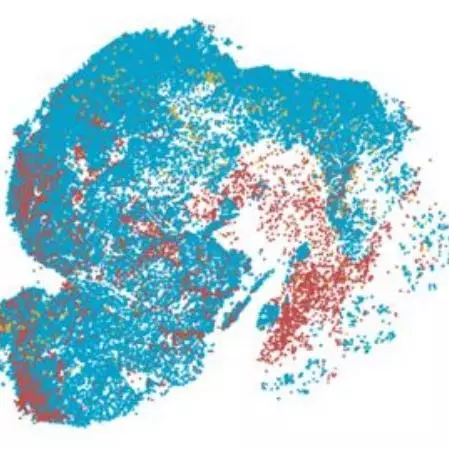
We aim to decipher how the adaptive immune system goes wrong in disease, and how this can be used in diagnostics and therapeutics using cutting-edge experimental and computational approaches.
Computational Mechanics of Materials Group
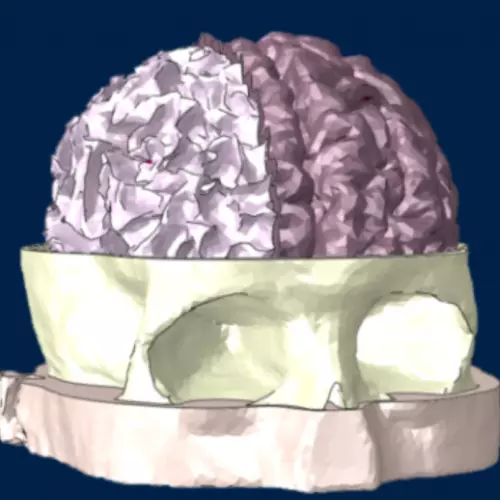
We focus on computational modelling of materials and structures with a major focus on the multiphysics of neurons and brain and applications in Ultrasound Neuromodulation and TBI. We develop and use state-of-the-art advanced numerical techniques.
Goriely Group
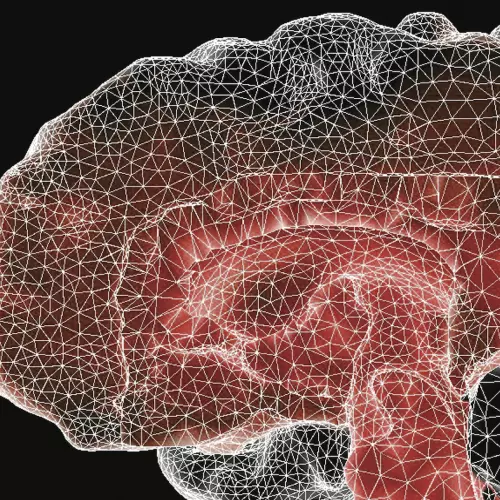
We use mathematical modelling and mechanics to explore morphogenesis, growth, diseases with a special emphasis on plants and the brain.
Kapanidis Group
Our group studies mechanisms and machines of gene expression using single-molecule biophysical methods and biochemistry. We observe single biomachines in real time, both "in vitro" and inside living cells.
Louis Group
We apply theoretical and computational tools from statistical mechanics to study how complex behaviour emerges from the interaction of many individual objects. We are particularly interested in biological physics and the dynamics of soft-matter.
Molecular Immunology Group
T cells initiate immune responses to clear infections and cancers. They integrate signals from various surface receptors using intracellular signalling molecules. We use quantitative methods to understand this process and enhance human health.
Papachristodoulou Group
A group researching complex networked control systems, biological and technological with a focus on mathematical modelling.
Schofield Group
We study biomolecular systems, focusing on antibacterial resistance and oxygenase regulation. We specialize in iron and zinc-dependent metallo-enzymes, contributing to antibiotic research and gene regulation.
Uphoff Lab
We investigate how bacteria adapt to stress by examining DNA repair and mutagenesis. Using advanced microscopy and microfluidic devices, we visualize these processes in real-time, uncovering insights into variable phenotypes and mutation rates.