Research Groups

media

Aye Lab

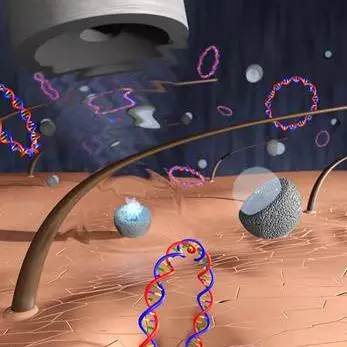
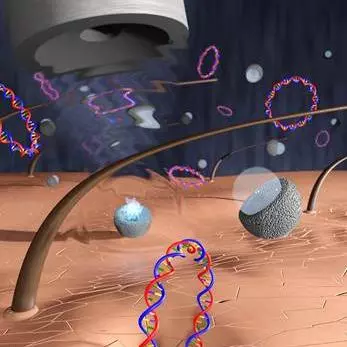
We investigate cellular communication by uncovering signaling roles of innate electrophiles and nucleotides. We pioneered photocaged electrophile tools to trigger and profile signaling, revealing genome-protective and drug-relevant pathways.
rsif20230184f06 square

Baker Group

We develop and apply mathematical and computational models to study cell and developmental biology at the cell and tissue levels. Combined with experiments, they provide insights into the mechanisms of embryo development.
bashford rogers

Bashford-Rogers Group

We aim to decipher how the adaptive immune system goes wrong in disease, and how this can be used in diagnostics and therapeutics using cutting-edge experimental and computational approaches.
cover design for nnano 19030664b

Bayley Group

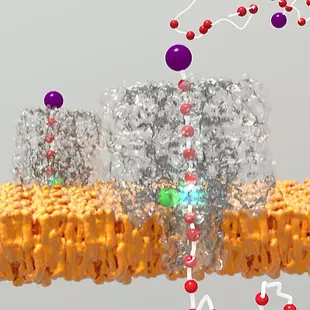
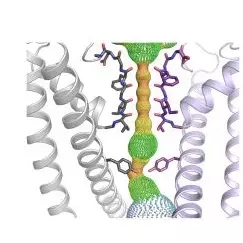
We use the techniques of protein chemistry, molecular genetics, biophysics and cell biology. Centered on membrane proteins, we investigate both their fundamental properties and their applications in biotechnology.
wp 2

Biomaterials & Biomechanics Group

We investigate the mechanisms of interaction between biological and synthetic materials to design and engineer new systems for treating diseases such as cancer, chronic infections and neurological disorders.
thumbnail image001

BUBBL

The biomedical ultrasonics, biotherapy and biopharmaceuticals laboratory (BUBBL) investigate mechanisms that simultaneously enhance non-invasive therapy and enable real-time monitoring and control of the therapeutic process deep within the body.
thumbnail image001

Carlisle Group

image001

Computational Mechanics of Materials Group

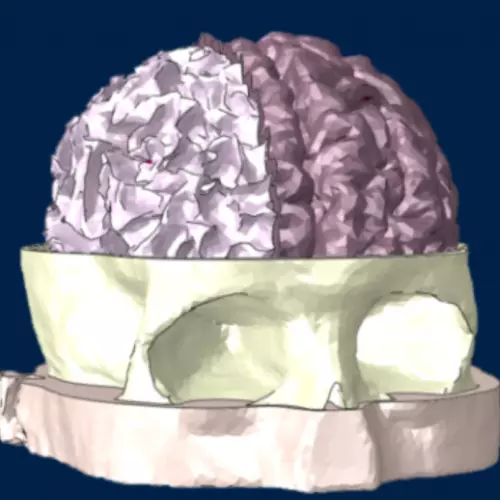
We focus on computational modelling of materials and structures with a major focus on the multiphysics of neurons and brain and applications in Ultrasound Neuromodulation and TBI. We develop and use state-of-the-art advanced numerical techniques.
ben davis

Davis Group

We study carbohydrate and protein functions using organic synthesis and protein engineering. We aim to design and modify therapeutic and biotechnological systems, uncover biological mechanisms, and develop new tools for synthetic and chemical biology.
screenshot 2024 08 29

Fernandes Group

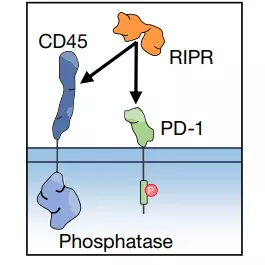
We apply protein engineering to decipher functional and structural correlates of immune receptor signalling and identify new therapeutic approaches to modulate T cell function in autoimmune, infection and cancer settings.
enzyme engineering

Flashman Group

We engineer the catalytic properties of plant enzymes as a mechanism to improve plant stress tolerance and/or productivity. Our current focus is on oxygen-sensing Plant Cysteine Oxidases, which we modify to enhance plant adaptation to hypoxia.
drag labelled

Foster Lab

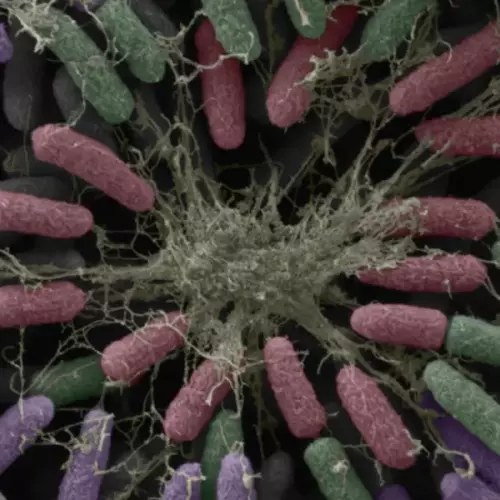
We use ecology and evolution to understand and engineer microbial communities, including the human microbiome.
download

Goriely Group

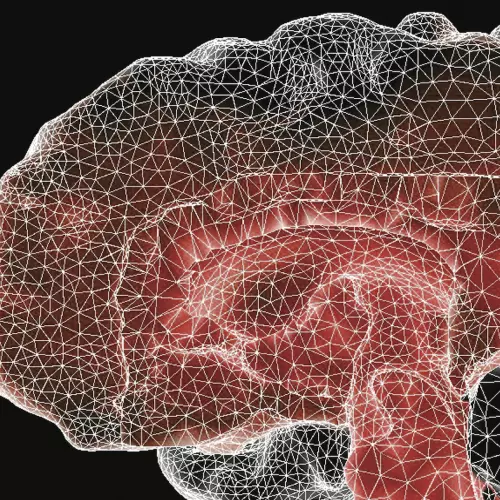
We use mathematical modelling and mechanics to explore morphogenesis, growth, diseases with a special emphasis on plants and the brain.
Streptococcus Bacteria

Huang Group

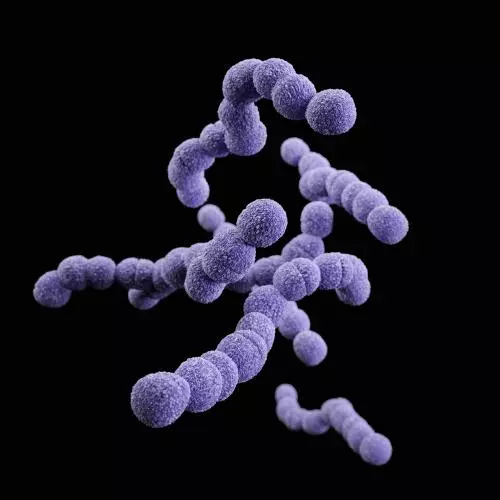
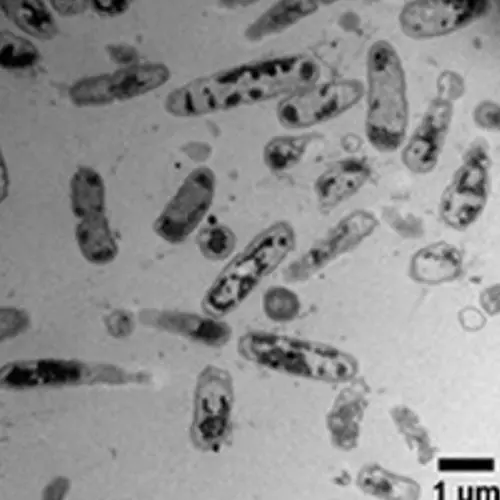
Research is focused on utilising the tools of synthetic biology to develop reprogrammable cells (SimCells), vehicles for drug delivery and generation of bioenergy.
screenshot 2025 02 12

Kapanidis Group

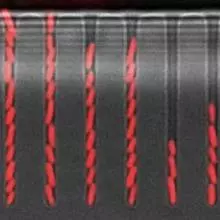
Our group studies mechanisms and machines of gene expression using single-molecule biophysical methods and biochemistry. We observe single biomachines in real time, both "in vitro" and inside living cells.
icon 06

Kukura Lab

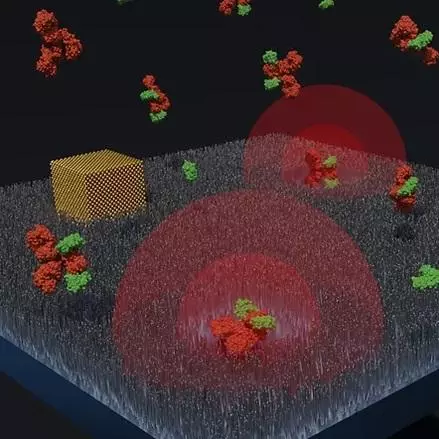
We develop microscopy, algorithms and approaches that enable the observation and study of phenomena that have been thought to be 'invisible'. We aim at improving the measurement and characterisation of biosystems, focusing on protein-protein interactions.
9bshot

Louis Group

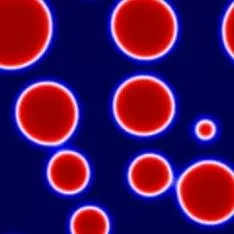
We apply theoretical and computational tools from statistical mechanics to study how complex behaviour emerges from the interaction of many individual objects. We are particularly interested in biological physics and the dynamics of soft-matter.
screenshot 2024 08 29

MacLean Lab

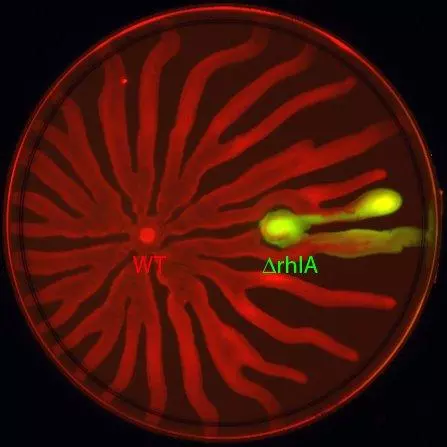
We focused on understanding the fundamental evolutionary processes that drive the spread and maintenance of antibiotic resistance, primarily using controlled in vitro experimental evolution in the opportunistic pathogenic bacterium Pseudomonas aeruginosa.
fig02

Molecular Immunology Group

T cells initiate immune responses to clear infections and cancers. They integrate signals from various surface receptors using intracellular signalling molecules. We use quantitative methods to understand this process and enhance human health.
LED lights

Papachristodoulou Group

A group researching complex networked control systems, biological and technological with a focus on mathematical modelling.
picture5

Poole Lab

We study the development of plant roots and their relationships with microbes. Our aim is to engineer transkingdom signalling between plants and bacteria to enhance plant growth.
e6e7658e21eb9c24884f41ae5c8528e1

Rijal Group

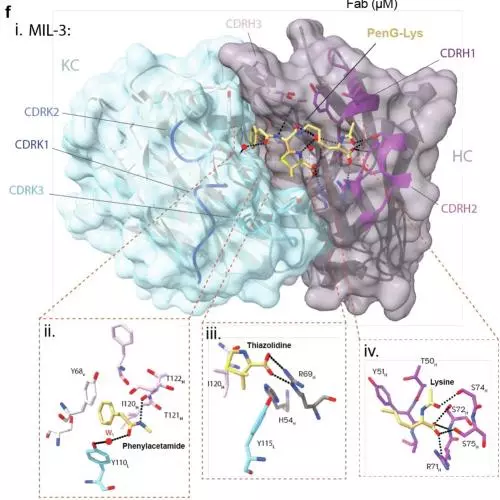
Our research centers around the influenza neuraminidase protein as a promising target for therapeutic interventions, including antibodies, drugs, and vaccines.
schofield

Schofield Group

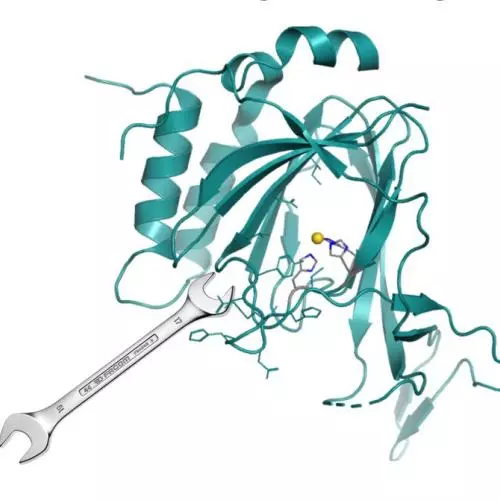
We study biomolecular systems, focusing on antibacterial resistance and oxygenase regulation. We specialize in iron and zinc-dependent metallo-enzymes, contributing to antibiotic research and gene regulation.
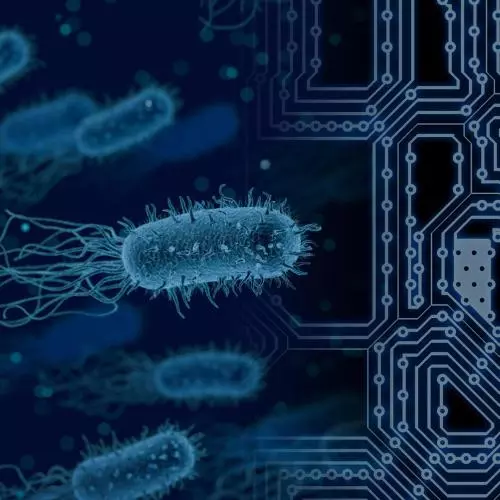
E. Coli cells and circuit board

Steel Group

Creating biotechnologies at the interface of control engineering, synthetic biology and robotics.
picture9

Stevens Group

Our research balances the investigation of fundamental science with the development of technologies and designer biomaterials to address some of the major healthcare challenges across diagnostics, advanced therapeutics and regenerative medicine.
picture1

Struwe Lab

We investigate protein-linked oligosaccharides through the development of techniques that span protein engineering, chemical biology and mass spectrometry. Our goal is to pin-point glycan structures responsible for discrete biological disease processes..
picture10

Sweetlove lab

We investigate the behaviour of the metabolic systems of plants in order to devise metabolic engineering strategies that will improve the productivity and quality of crop plants. We use both computational and experimental approaches to achieve this.
oe bhlh51 l5 1 orthogonal projection 02 c1 3 francesco licausi

Synoxys Lab

We investigate the signalling mechanisms that link oxygen availability to plant growth and development, to understand adaptations to oxygen fluctuations throughout evolution and to design novel biotechnological strategies.
picture7

Tissue Engineering Group

We focus on providing enabling technologies for regenerative medicine, including industrial scale cell/tissue culture in vitro, implantable biomaterials and processing, bio-manufacture of cellular therapeutics, and supply chain of living cells and tissues

thik1

Tucker Lab

We investigate the intimate relationship between ion channel structure and function. We focus on their molecular mechanisms at an atomic level and their role in physiology and disease.
scc12

Uphoff Lab

We investigate how bacteria adapt to stress by examining DNA repair and mutagenesis. Using advanced microscopy and microfluidic devices, we visualize these processes in real-time, uncovering insights into variable phenotypes and mutation rates.
1 s2 0 s0025556424001007 gr8 lrg square

WCMB Mathematical Institute

We investigate the mechanisms underlying biological processes by building biologically realistic mathematical/computational models, testing and refining them. We use currently available experimental data, and make experimentally verifiable predictions.
11734 2024 1273 fig35

Yeomans Group

We use theoretical and computational methods to study the physics of soft matter and living systems. We are currently interested in collective behaviour of active systems and mechanobiology.