Bio-nanotechnology

media

Aye Lab

We investigate cellular communication by uncovering signaling roles of innate electrophiles and nucleotides. We pioneered photocaged electrophile tools to trigger and profile signaling, revealing genome-protective and drug-relevant pathways.
microsoftteams image 48 crop

Baker Lab

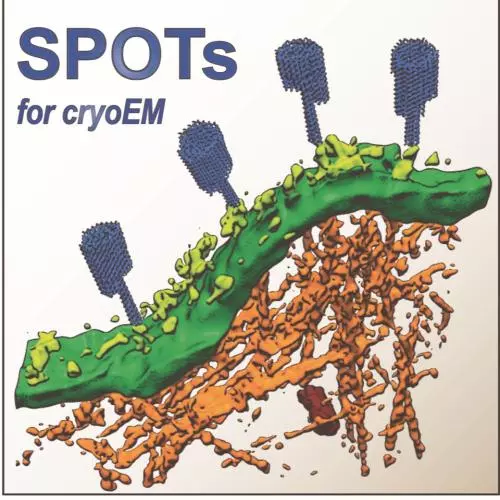
We study cellular responses to their environment, focusing on membranes, cellular communities, and hybrid structural biology. Using electron cryotomography with DNA nanotechnology, we also employ fluorescence microscopy, mass spectrometry, NMR, and cryoEM

cover design for nnano 19030664b

Bayley Group

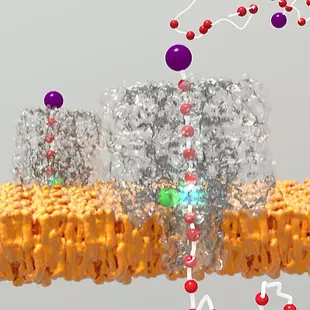
We use the techniques of protein chemistry, molecular genetics, biophysics and cell biology. Centered on membrane proteins, we investigate both their fundamental properties and their applications in biotechnology.
wp 2

Biomaterials & Biomechanics Group

We investigate the mechanisms of interaction between biological and synthetic materials to design and engineer new systems for treating diseases such as cancer, chronic infections and neurological disorders.
thumbnail image001

BUBBL

The biomedical ultrasonics, biotherapy and biopharmaceuticals laboratory (BUBBL) investigate mechanisms that simultaneously enhance non-invasive therapy and enable real-time monitoring and control of the therapeutic process deep within the body.
thumbnail image001

Carlisle Group

image001

Computational Mechanics of Materials Group

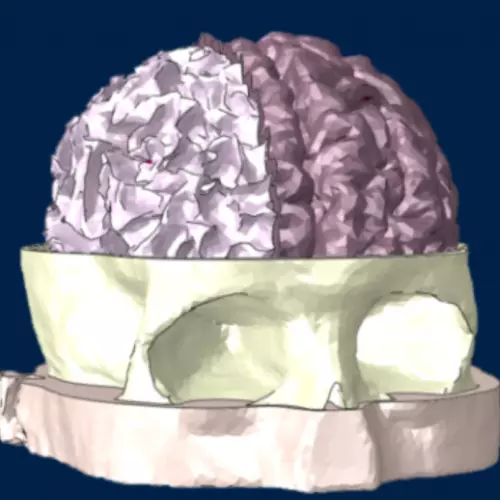
We focus on computational modelling of materials and structures with a major focus on the multiphysics of neurons and brain and applications in Ultrasound Neuromodulation and TBI. We develop and use state-of-the-art advanced numerical techniques.
ben davis

Davis Group

We study carbohydrate and protein functions using organic synthesis and protein engineering. We aim to design and modify therapeutic and biotechnological systems, uncover biological mechanisms, and develop new tools for synthetic and chemical biology.
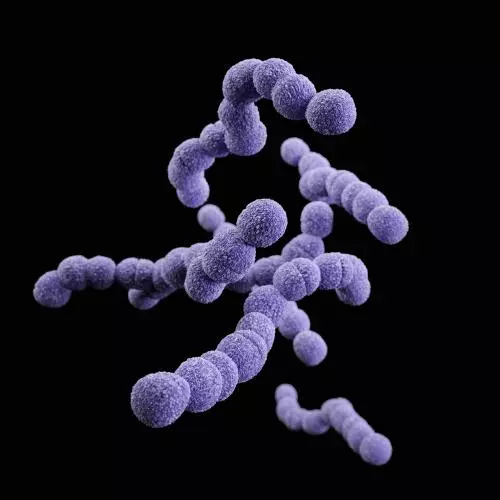
Streptococcus Bacteria

Huang Group

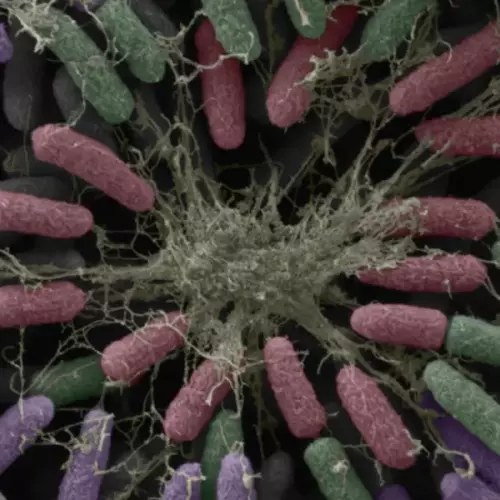
Research is focused on utilising the tools of synthetic biology to develop reprogrammable cells (SimCells), vehicles for drug delivery and generation of bioenergy.
screenshot 2025 02 12

Kapanidis Group

Our group studies mechanisms and machines of gene expression using single-molecule biophysical methods and biochemistry. We observe single biomachines in real time, both "in vitro" and inside living cells.
9bshot

Louis Group

We apply theoretical and computational tools from statistical mechanics to study how complex behaviour emerges from the interaction of many individual objects. We are particularly interested in biological physics and the dynamics of soft-matter.
fig02

Molecular Immunology Group

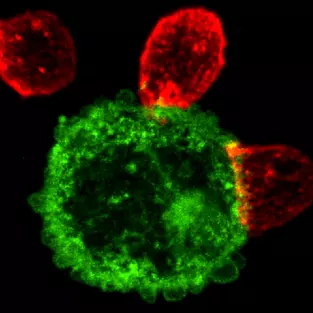
T cells initiate immune responses to clear infections and cancers. They integrate signals from various surface receptors using intracellular signalling molecules. We use quantitative methods to understand this process and enhance human health.
picture9

Stevens Group

Our research balances the investigation of fundamental science with the development of technologies and designer biomaterials to address some of the major healthcare challenges across diagnostics, advanced therapeutics and regenerative medicine.
thik1

Tucker Lab

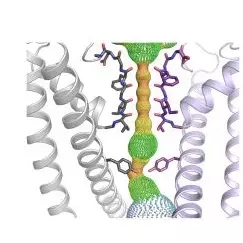
We investigate the intimate relationship between ion channel structure and function. We focus on their molecular mechanisms at an atomic level and their role in physiology and disease.