Mathematical Biology

rsif20230184f06 square

Baker Group

We develop and apply mathematical and computational models to study cell and developmental biology at the cell and tissue levels. Combined with experiments, they provide insights into the mechanisms of embryo development.
image001

Computational Mechanics of Materials Group

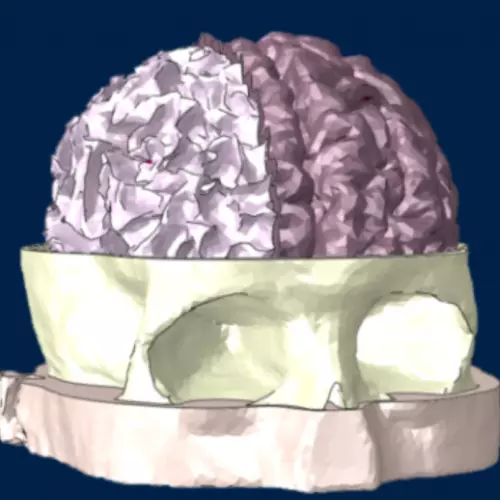
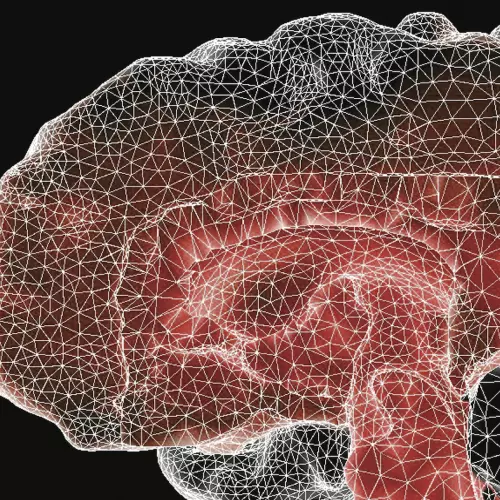
We focus on computational modelling of materials and structures with a major focus on the multiphysics of neurons and brain and applications in Ultrasound Neuromodulation and TBI. We develop and use state-of-the-art advanced numerical techniques.
enzyme engineering

Flashman Group

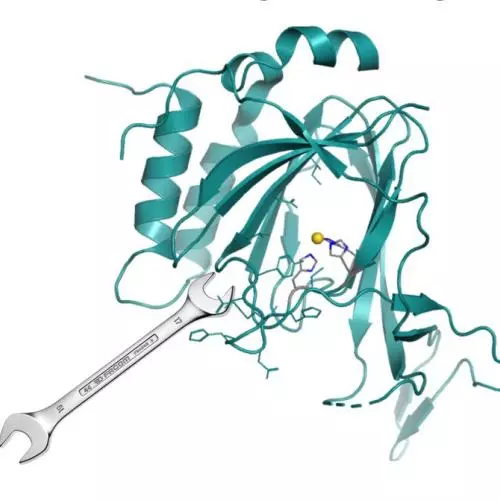
We engineer the catalytic properties of plant enzymes as a mechanism to improve plant stress tolerance and/or productivity. Our current focus is on oxygen-sensing Plant Cysteine Oxidases, which we modify to enhance plant adaptation to hypoxia.
drag labelled

Foster Lab

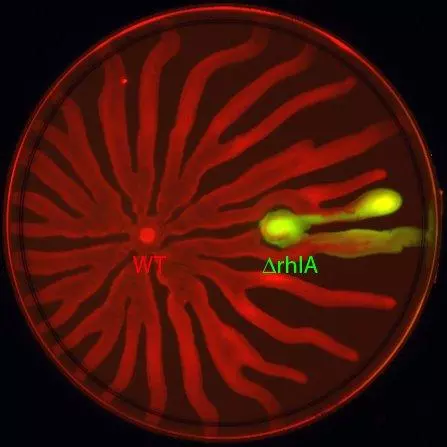
We use ecology and evolution to understand and engineer microbial communities, including the human microbiome.
download

Goriely Group

We use mathematical modelling and mechanics to explore morphogenesis, growth, diseases with a special emphasis on plants and the brain.
icon 06

Kukura Lab

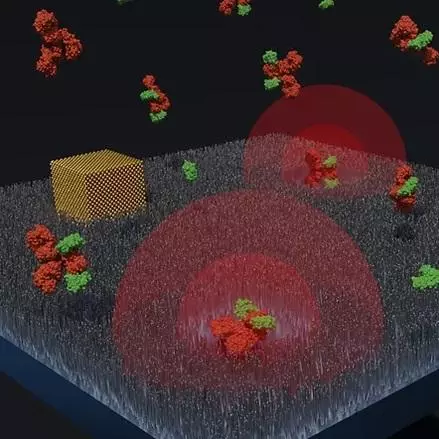
We develop microscopy, algorithms and approaches that enable the observation and study of phenomena that have been thought to be 'invisible'. We aim at improving the measurement and characterisation of biosystems, focusing on protein-protein interactions.

9bshot

Louis Group

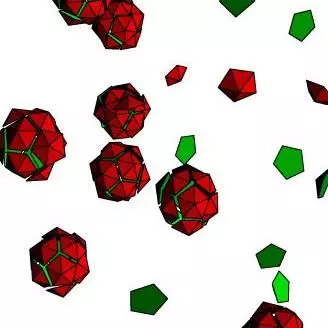
We apply theoretical and computational tools from statistical mechanics to study how complex behaviour emerges from the interaction of many individual objects. We are particularly interested in biological physics and the dynamics of soft-matter.
fig02

Molecular Immunology Group

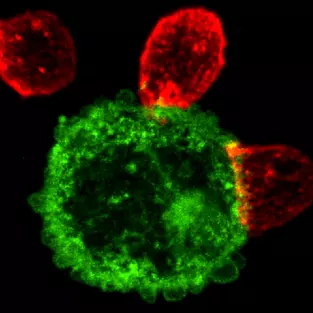
T cells initiate immune responses to clear infections and cancers. They integrate signals from various surface receptors using intracellular signalling molecules. We use quantitative methods to understand this process and enhance human health.
LED lights

Papachristodoulou Group

A group researching complex networked control systems, biological and technological with a focus on mathematical modelling.
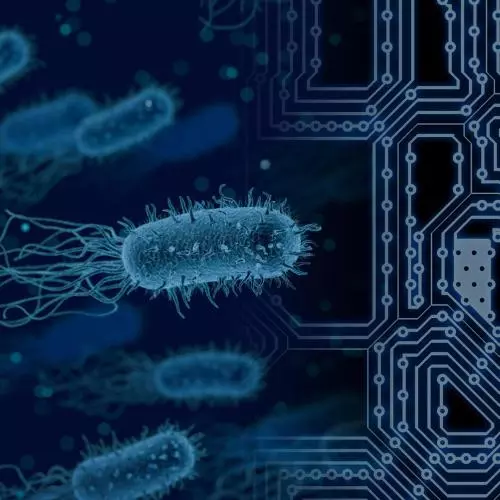
E. Coli cells and circuit board

Steel Group

Creating biotechnologies at the interface of control engineering, synthetic biology and robotics.
picture10

Sweetlove lab

We investigate the behaviour of the metabolic systems of plants in order to devise metabolic engineering strategies that will improve the productivity and quality of crop plants. We use both computational and experimental approaches to achieve this.
scc12

Uphoff Lab

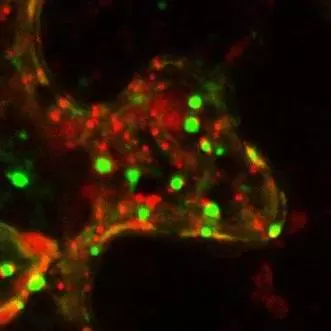
We investigate how bacteria adapt to stress by examining DNA repair and mutagenesis. Using advanced microscopy and microfluidic devices, we visualize these processes in real-time, uncovering insights into variable phenotypes and mutation rates.
1 s2 0 s0025556424001007 gr8 lrg square

WCMB Mathematical Institute

We investigate the mechanisms underlying biological processes by building biologically realistic mathematical/computational models, testing and refining them. We use currently available experimental data, and make experimentally verifiable predictions.
11734 2024 1273 fig35

Yeomans Group

We use theoretical and computational methods to study the physics of soft matter and living systems. We are currently interested in collective behaviour of active systems and mechanobiology.